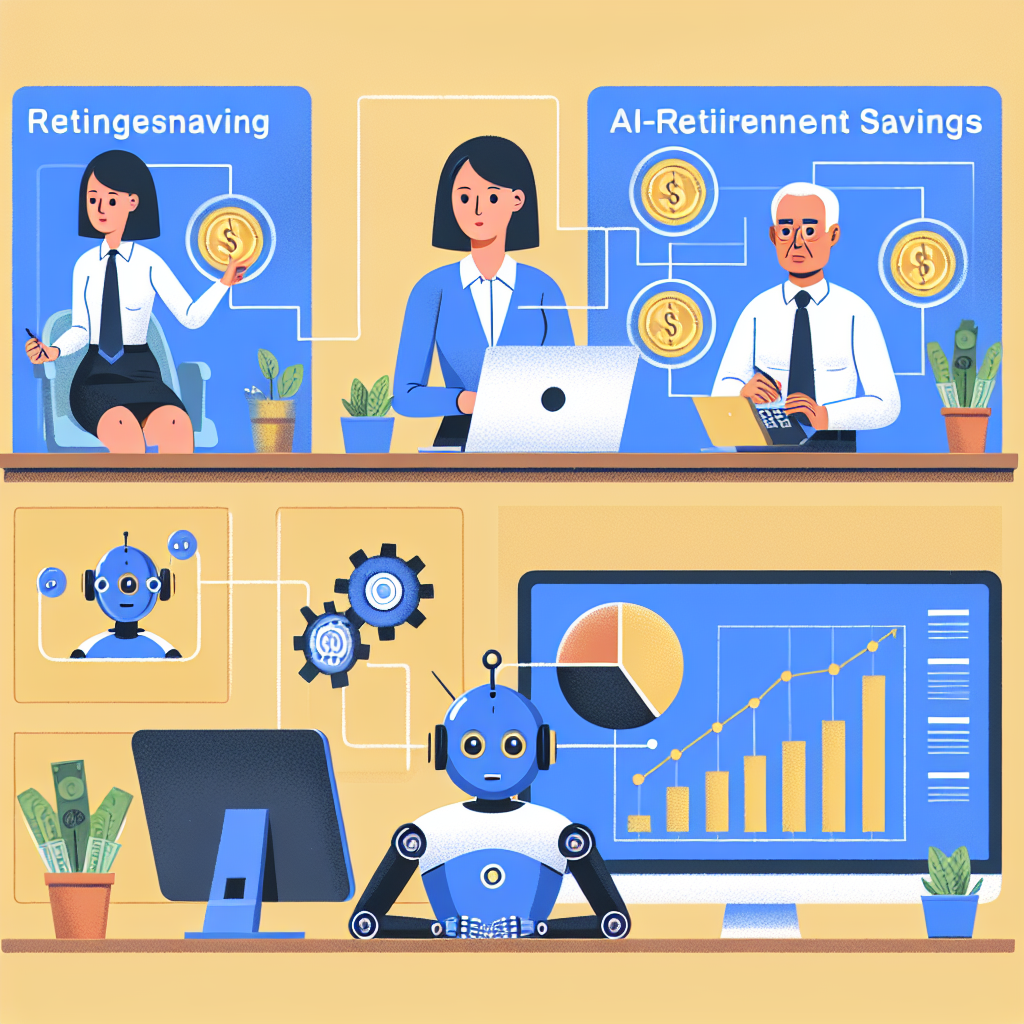
Step-by-Step Guide: AI-Powered Retirement Savings for Beginners
In today’s digital age, the integration of artificial intelligence (AI) has revolutionized various sectors, including finance and retirement planning. As a beginner, navigating the complex world of retirement savings can be challenging. This guide aims to simplify your journey by outlining a step-by-step approach to leveraging AI for your retirement savings.
Whether you’re starting your career or are near retirement age, implementing AI-powered tools can enhance your financial strategy, help you save more effectively, and make informed decisions based on data analytics. Let’s embark on this journey toward securing your financial future with the support of advanced technology.
Table of Contents
- Understanding Retirement Savings
- Why Use AI in Retirement Planning?
- Setting Your Retirement Goals
- Choosing the Right AI Tools
- Monitoring Your Progress with AI
- Adjusting Your Strategy Based on AI Insights
- Understanding Tax Implications Using AI
- Final Thoughts
This HTML code includes a clean representation of the introduction and a clickable Table of Contents (TOC) for the guide on AI-powered retirement savings. The TOC links correspond to various sections to be detailed in the full article.
Step-by-Step Guide: AI-Powered Retirement Savings for Beginners – Part 1
Table of Contents
1. Introduction
Retirement can often feel like a distant dream, but planning for it can start today! With the rise of technology, especially artificial intelligence (AI), saving for retirement has become more efficient and personalized. This guide will walk you through the first steps to leverage AI in your retirement savings strategy.
2. Understanding Retirement Savings
Before diving into AI tools, it’s vital to understand the fundamentals of retirement savings. Here’s what you need to know:
- Retirement Accounts: Familiarize yourself with different types of retirement accounts such as 401(k), IRA, and Roth IRA. Each has unique tax advantages and contribution limits.
- Compound Interest: The earlier you save, the more your money can grow due to compound interest. Understand how this works to appreciate the benefits of saving sooner.
- Withdrawal Rules: Learn the rules governing withdrawals from retirement accounts to avoid unnecessary penalties, such as when you can access funds without incurring a tax burden.
- Investment Options: Get to know the various investment choices available within retirement accounts. Stocks, bonds, and mutual funds each have different risk and return profiles.
3. Importance of Starting Early
The key to effective retirement savings is starting as early as possible. Here’s why:
- Time Value of Money: The longer your money is invested, the more it can grow. Even small contributions can lead to substantial savings over time.
- Less Financial Pressure: By saving earlier, you can create a cushion, reducing the financial burden as retirement approaches.
- Higher Contribution Limits: In the earlier years of your career, you may find yourself with fewer financial obligations allowing you to save more aggressively.
- Forming Good Habits: Starting early cultivates disciplined saving habits that will benefit you throughout your life.
4. Introduction to AI in Financial Planning
Artificial intelligence has transformed the financial landscape, offering personalized insights and automation that can significantly enhance your retirement savings strategy:
- Data Analysis: AI can analyze extensive data sets to provide tailored financial advice based on your individual circumstances.
- Predictive Modeling: AI tools help forecast future market trends and investment outcomes, allowing you to make informed decisions.
- Portfolio Management: Automated portfolio rebalancing and monitoring can maximize returns and reduce risk.
- Cost Reduction: AI can help in managing costs by finding lower-fee investment options and optimizing tax strategies.
5. Evaluation of AI Tools
Before you start using AI-powered tools for retirement planning, evaluate the options available:
- Reputation: Research and choose AI platforms that are well-regarded in the financial community.
- User Interface: Ensure the tool is user-friendly and accessible, especially if you are not tech-savvy.
- Customized Advice: Look for AI tools that offer tailored recommendations based on your age, income, and retirement goals.
- Integration Capabilities: Determine if the AI tool can integrate with your existing financial accounts and other investment tools.
- Cost: Assess the pricing structure of the AI tool. Consider whether it’s a subscription service, one-time fee, or free platform.
6. Creating a Retirement Savings Plan
With an understanding of AI tools and retirement savings fundamentals, it’s time to create your plan:
- Define Your Retirement Goals: Clearly outline what you envision for your retirement, including lifestyle, travel, and living arrangements.
- Establish a Timeline: Set a realistic timeline based on your current age and when you wish to retire.
- Determine Your Budget: Analyze your current income, expenses, and how much you can realistically allocate towards retirement savings monthly.
- Select AI Tools: Choose the best AI platforms based on your evaluation criteria and integrate them into your financial planning.
- Regular Reviews: Commit to regularly reviewing and adjusting your plan based on changes in your financial situation or market conditions.
In conclusion, getting started on your retirement savings, especially with the aid of AI, can feel daunting, but with a methodical approach, it becomes manageable. In Part 2 of this guide, we will delve deeper into advanced strategies for maximizing your AI tools, investment choices, and monitoring your retirement savings effectively. Remember, the key to a secure retirement is continuous learning and adaptation to new technologies and strategies.
Step-by-Step Guide: AI-Powered Retirement Savings for Beginners – Part 2
Table of Contents
- Setting Retirement Savings Goals
- Understanding AI Tools for Retirement
- Choosing the Right AI Tools
- Creating an AI-Driven Savings Plan
- Monitoring and Adjusting Your Plan
- Questions to Ask Your AI Tool
Setting Retirement Savings Goals
Before diving into the AI tools, it’s crucial to establish clear retirement savings goals. These goals will guide your usage of AI tools and help you determine the amount you need to save.
Identify Your Retirement Needs
- Estimate Your Living Expenses: Consider what your cost of living will be during retirement. Think about healthcare, leisure activities, housing, and other necessities.
- Decide on Retirement Age: Determine when you envision retiring (e.g., 60, 65, or 70) and how long you expect to live post-retirement.
- Assess Desired Quality of Life: Think about any travel plans, hobbies, or special activities that may require additional funding.
Calculate Your Target Savings Amount
Utilize retirement calculators available through financial websites or AI tools to project how much you will need. A general rule of thumb is to aim for 70-80% of your pre-retirement income annually.
Understanding AI Tools for Retirement
AI-powered tools can make retirement planning not only easier but far more effective. Here’s what you need to understand:
The Types of AI Tools Available
- Budgeting Apps: Tools like Mint or YNAB that use AI to track and analyze your spending patterns.
- Investment Platforms: Robo-advisors like Betterment and Wealthfront that manage investments based on AI algorithms.
- Savings Assistants: Apps that analyze current income, expenses, and suggest automated savings based on AI predictions.
Key Features to Look For
- Data Analysis: Tools that offer insights into your saving habits and future needs.
- Personalization: AI tools should adapt to your financial situation, risk tolerance, and retirement goals.
- Real-Time Adjustments: Look for applications that provide immediate recommendations based on your spending patterns and market conditions.
Choosing the Right AI Tools
Selecting the right tools can significantly enhance your retirement savings strategy.
Assess Your Financial Needs
Understand your financial landscape. Are you focused on saving, investing, or both? This will help you narrow down the appropriate tools.
Research Options
Take your time to research different AI tools. Here’s a simple approach:
- Read Reviews: Look for user experiences and professional ratings to understand effectiveness.
- Trial Versions: Many tools offer free trials. Utilize these to see if they fit your needs before committing.
Compare Fees and Features
Ensure that the tools you’re considering have transparent pricing structures. Compare:
- Monthly/Annual Fees: Understand how fees impact your overall savings.
- Investment Options: Assess the range and types of investments available through each tool.
Creating an AI-Driven Savings Plan
Now that you have the goals and the right tools in place, it’s time to create your actual savings plan.
Establish Your Monthly Contribution
Based on the retirement target amount calculated earlier and your time horizon, determine how much you can contribute every month. Here are some practical ways to come up with a feasible monthly amount:
- Automate Savings: Set your AI tool to automatically transfer a certain amount into your retirement account each month.
- Review Expenses: Analyze your spending habits and adjust where necessary to increase contribution amounts.
Utilize AI for Investment Strategy
With the help of your chosen AI investment tool, determine your investment strategy. Consider factors like:
- Risk Tolerance: How much risk can you accept based on your age, job status, and other investments?
- Time Horizon: The longer your time frame, the more aggressive your investments can be.
Set Benchmarks for Growth
Define clear benchmarks for how you will measure growth and success. These can include:
- Investment growth percentages.
- Net worth growth.
- Meeting specific savings milestones in your retirement plan.
Monitoring and Adjusting Your Plan
Setting up your savings plan isn’t a one-time action; it requires regular assessment and adjustment.
Regular Check-Ins
Schedule regular check-ins (e.g., quarterly or bi-annually) with your AI tools to monitor your savings and investment performance. Consider the following:
- Updating Savings Goals: If your financial situation changes (increased salary, new expenses), adjust your goals accordingly.
- Performance Review: Analyze the performance of your investments and reallocate funds if necessary.
Adjust for Market Changes
The financial markets are dynamic. Use AI tools to stay abreast of market trends and how they might affect your investments.
Questions to Ask Your AI Tool
To fully utilize the capabilities of your AI tool, ask it the following questions tailored to your retirement savings:
- What is my current savings trajectory, and how often should I review it?
- How does my investment strategy align with my retirement goals?
- What adjustments should I make based on current market conditions?
- What additional savings strategies do you recommend based on my profile?
- How can I optimize my budget to increase retirement contributions?
Conclusion
Utilizing AI tools to streamline your retirement savings can be transformative. By carefully setting goals, choosing the right tools, and maintaining an adaptable plan, you can secure a comfortable retired life. Remember, your retirement savings are a long-term commitment, so stay proactive and informed.
This HTML document contains a detailed guide for beginners looking to use AI to enhance their retirement savings strategy. It encompasses practical advice, structured with a clear Table of Contents, and is organized into manageable sections ensuring high-density content suitable for readers seeking actionable insights.
Final Thoughts
As we conclude this step-by-step guide on utilizing AI-powered tools for retirement savings, it’s crucial to reflect on the journey we’ve undertaken. Retirement planning can often seem daunting, but with the advent of artificial intelligence, we now have powerful allies to help us navigate this process. Here are some key takeaways to consider as you embark on your retirement savings journey:
Embrace Technology
The integration of AI in financial planning represents a significant shift in how individuals can manage their retirement savings. By leveraging AI-powered tools, you can:
- Access personalized investment advice based on your unique financial situation.
- Utilize predictive modeling to anticipate necessary changes in your savings strategy.
- Receive real-time updates on market trends that can impact your retirement savings.
Start Early and Stay Consistent
One of the most effective strategies for building a robust retirement fund is to start saving as early as possible. Even small contributions can grow significantly due to compound interest:
- Set clear savings goals based on your desired retirement lifestyle.
- Utilize AI tools to calculate how much you need to save monthly or annually to meet those goals.
- Regularly review and adjust your strategy to stay on track, ensuring you maintain consistency in your contributions.
Stay Informed and Educated
Retirement planning is a continuous learning process. As you engage with AI-powered tools, also take the initiative to:
- Educate yourself on financial concepts and investment strategies.
- Read updates and insights from reputable financial sources.
- Attend workshops or webinars focusing on AI in finance for ongoing skill enhancement.
Review and Adjust Regularly
A retirement plan is not a one-time effort; it requires regular reevaluation. Your financial situation, goals, and external conditions may change over time:
- Utilize AI tools to periodically review your investments and savings performance.
- Adjust your strategy based on market conditions and personal life changes.
- Seek professional financial advice when necessary to make informed decisions.
Build a Safety Net
While AI tools can streamline savings and investment processes, it’s also important to maintain a diversified approach to financial planning:
- Consider establishing an emergency fund to cover unexpected expenses that may arise.
- Invest in a range of assets, including stocks, bonds, and real estate, to mitigate risk.
- Review your insurance policies to ensure you and your family are protected from unforeseen events.
Stay Motivated
Saving for retirement can often feel like a long, uphill battle. To keep your motivation high, consider the following:
- Set milestone goals and celebrate your achievements along the way.
- Visualize your retirement dreams to remind yourself why you’re saving.
- Engage with communities or groups focused on retirement planning for support and encouragement.
In closing, the integration of AI into retirement savings planning offers exciting opportunities for anyone looking to secure their financial future. By taking proactive steps today, utilizing available technologies wisely, and committing to ongoing learning and adjustments, you can create a robust retirement strategy tailored to your unique needs and goals. Remember, the journey to a comfortable retirement may be complex, but with the right tools and approach, it can also be incredibly rewarding.
🖋️ About the Analyst: SUNG MIN
SUNG MIN is a senior financial strategist specializing in AI-driven wealth automation and fintech trends at tbjfinance.com. With a focus on practical AI applications for personal finance, he provides data-backed insights to help investors navigate the evolving digital economy.
[주의 사항] 본 블로그의 콘텐츠는 정보 제공을 목적으로 하며, 특정 금융 상품에 대한 권유나 법적 자문이 아닙니다. 모든 투자의 책임은 본인에게 있습니다.