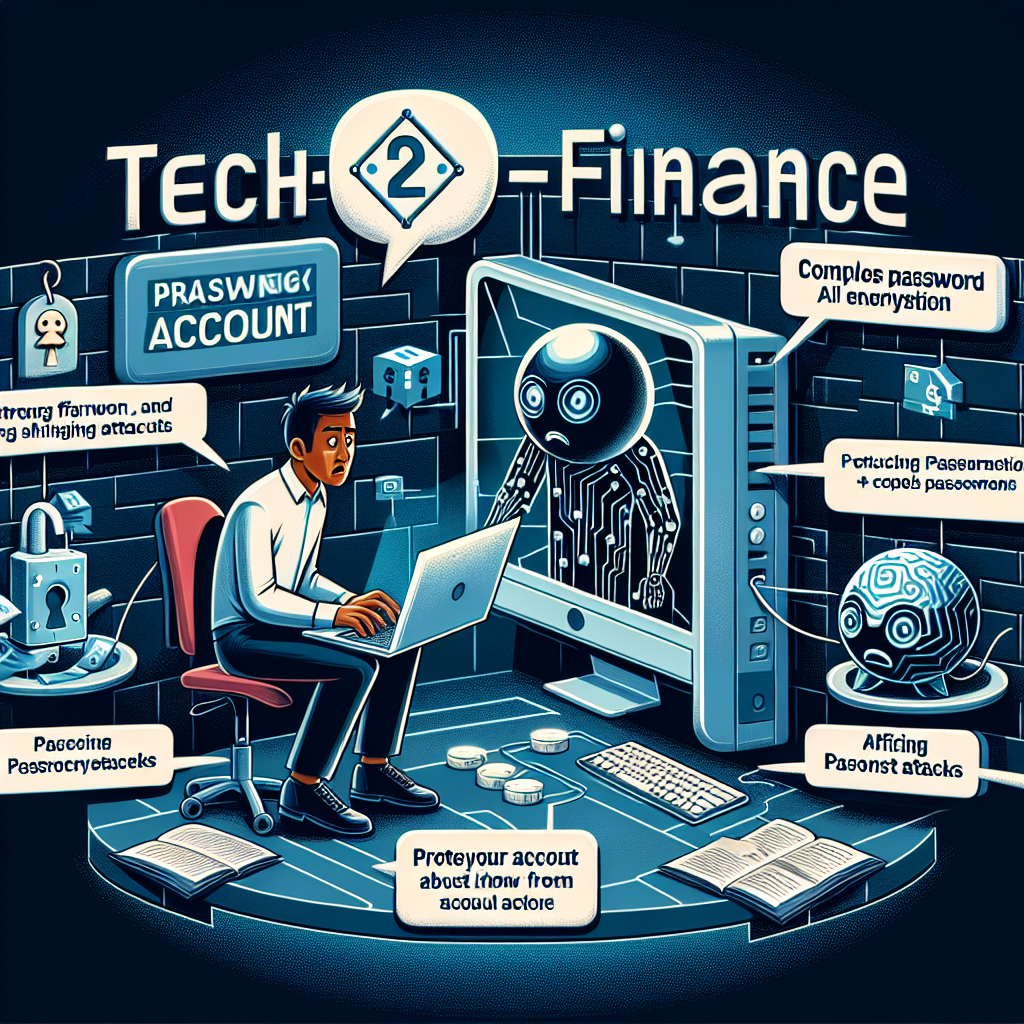
How to Protect Your Bank Account from AI-Driven Phishing Attacks
In today’s digital world, the threats to our financial security are evolving. With advancements in artificial intelligence, cybercriminals are becoming increasingly sophisticated in their phishing tactics. Phishing attacks using AI can mimic legitimate entities with remarkable accuracy, making it challenging for individuals to distinguish between real and fraudulent communications. As a senior financial strategist, I understand the importance of safeguarding your bank account from these digital threats. This guide will provide you with comprehensive strategies to protect your financial information and ensure your peace of mind.
Table of Contents
- Understanding Phishing Attacks
- How AI Enhances Phishing
- Recognizing Phishing Attempts
- Preventative Measures
- Safe Online Banking Practices
- Monitoring Your Account
- Responding to Phishing Attacks
- Leveraging Technology for Safety
Deep Dive Guide: How to Protect Your Bank Account from AI-Driven Phishing Attacks – Part 1
Table of Contents
Introduction
As technology progresses, so do the tactics used by cybercriminals to infiltrate our bank accounts. One of the most alarming trends in recent years has been the rise of AI-driven phishing attacks. These sophisticated techniques leverage artificial intelligence to create more convincing fraudulent messages, making it imperative for everyday users to equip themselves with the knowledge and tools necessary to protect their financial information.
Understanding AI-Driven Phishing Attacks
Phishing has traditionally involved misleading emails that trick individuals into sharing sensitive personal information, such as passwords and bank details. AI-driven phishing takes this to the next level.
What is AI-Driven Phishing?
AI-driven phishing refers to the use of artificial intelligence technologies to enhance the effectiveness of phishing attacks. Attackers use machine learning algorithms to analyze successful phishing campaigns and improve their tactics.
How AI is Used in Phishing
- Email Generation: AI can generate lifelike emails that mimic your bank’s communication style, featuring relevant logos and formatting.
- Personalization: AI tools can analyze social media and other available data to craft personalized messages that appear more credible.
- Automation: Phishing campaigns can be automated, allowing attackers to send thousands of emails at once while still retaining a personal touch.
Examples of AI-Driven Phishing Techniques
- Deepfake Technology: Some phishing attacks may employ deepfake technology to create realistic videos or voice recordings impersonating bank representatives.
- Language Models: Machines like ChatGPT can generate convincing and contextually relevant messages to lure users into clicking dangerous links.
Identifying Phishing Attempts
Recognizing the signs of a phishing attempt is your first line of defense against these attacks. Here are key indicators to look for:
Common Signs of Phishing Emails
- Unexpected Emails: If you receive an email from your bank that you weren’t expecting, be cautious.
- Generic Greetings: Phishing emails often use vague salutations like “Dear Customer” instead of your name.
- Incorrect Email Domains: Check the sender’s email address for typos or unusual domains, such as example@bank-xyz123.com.
- Email Urgency: Phishing messages often create a sense of urgency (e.g., “Your account will be locked unless you act now!”).
- Suspicious Links: Hover over any links to see their true destination; be wary of links that do not match the bank’s official website.
Identifying Phishing Communication via Phone
- Unsolicited Calls: Be wary of calls from unknown numbers, especially those requesting personal information.
- Caller ID Spoofing: Scammers can fake the caller ID to make it appear as if they are calling from your bank.
- Pressure Tactics: Legitimate bank representatives typically will not pressure you for immediate action or confidential information over the phone.
Top Security Tips
Now that you have a better understanding of AI-driven phishing, let’s focus on concrete steps to safeguard your bank account.
1. Use Strong Passwords
- Create passwords that are at least 12 characters long, combining uppercase letters, lowercase letters, numbers, and special characters.
- Avoid using easily guessable information such as birthdays, names, or common phrases.
- Consider using a password manager to generate and store complex passwords securely.
2. Enable Two-Factor Authentication (2FA)
- Activate two-factor authentication on your bank account to add an extra layer of security.
- This process usually requires you to enter a verification code sent to your mobile device in addition to your password.
3. Regularly Monitor Your Accounts
- Check your bank statements and account activity frequently to spot unauthorized transactions early.
- Consider setting up alerts for large transactions or changes to your account settings.
4. Install and Update Security Software
- Use reputable antivirus and antimalware software on your devices and keep it updated.
- Regularly update your operating systems and applications to patch vulnerabilities that can be exploited by cybercriminals.
5. Be Cautious with Public Wi-Fi
- Avoid accessing financial accounts over public Wi-Fi; consider using a Virtual Private Network (VPN) instead.
- If you must use public Wi-Fi, refrain from accessing sensitive information.
6. Educate Yourself and Others
- Keep abreast of the latest phishing tactics and scams your bank communicates to its customers.
- Share this knowledge with family and friends to help them protect themselves.
Your Action Plan
To effectively protect your bank account from AI-driven phishing attacks, consider implementing the following action plan:
1. Conduct a Personal Security Audit
- Review current online security practices and identify potential weaknesses.
- Evaluate the security of your online accounts, focusing on password strength and two-factor authentication settings.
2. Create a Response Plan
- Establish steps you will follow if you suspect a phishing attempt, such as not engaging with the suspicious email or number.
- Prepare to report any phishing attempt to your bank and local law enforcement.
3. Regularly Update Your Skills
- Enroll in online courses or workshops focusing on cybersecurity and phishing awareness.
- Subscribe to cybersecurity news sources or blogs to stay informed about emerging threats.
Conclusion
AI-driven phishing attacks represent a significant threat to your bank account and personal information. By understanding the tactics used and actively implementing security measures, you can greatly reduce your risk. In Part 2 of this guide, we will delve deeper into specific tools and software that can further enhance your security posture against phishing attacks.
How to Protect Your Bank Account from AI-Driven Phishing Attacks: Part 2
Table of Contents
- Understand the Uploaded Content
- Conduct Research on Institutions
- Verify Emails and Links
- Use Security Software
- Report Suspicious Activity
- Educate Your Circle
1. Understand the Uploaded Content
AI-driven phishing attacks have become increasingly sophisticated. Cybercriminals now employ AI technology to craft messages that closely mimic legitimate communications from banks and other financial institutions. To protect yourself, you need to understand the nature of this uploaded content:
- Identifying Red Flags: Look for unusual requests, generic greetings, and spelling errors.
- Authentic Branding: Legitimate institutions often utilize specific branding elements. Familiarize yourself with these elements to spot fraudulent communications.
- Context Understanding: Be aware that scammers often exploit current events or personal milestones (such as updates for online banking) to trigger emotional responses.
2. Conduct Research on Institutions
To ensure your bank is reliable, conduct thorough research on the financial institution you are dealing with. This can prevent you from falling prey to AI-driven phishing:
- Check Reviews: Look for customer feedback online to gauge the bank’s reputation.
- Regulatory Compliance: Ensure the institution is compliant with relevant financial regulations, such as those from the FDIC or similar entities in your country.
- Secure Communication Channels: Confirm that your bank offers secure channels for communicating sensitive information, like encrypted messaging or secure login systems.
3. Verify Emails and Links
Before clicking on any link or responding to any email, it’s essential to verify the authenticity of the communication:
- Hover Over Links: Before you click, hover your mouse over links to see the actual URL. Only click if it looks legitimate and leads to the bank’s correct website.
- Email Address Scrutiny: Check the sender’s email address. Phishing emails often come from addresses that closely resemble legitimate addresses but include slight discrepancies.
- Direct URL Access: Rather than clicking on links, directly type your bank’s URL into the web browser. This helps ensure you are accessing the legitimate site.
4. Use Security Software
Implementing comprehensive security measures is vital in safeguarding your account from AI-driven phishing:
- Antivirus Software: Invest in reputable antivirus software that can detect and isolate malicious threats before they affect your system.
- Firewalls: Use personal firewalls to establish a protective barrier that monitors and controls incoming and outgoing network traffic.
- Anti-Phishing Tools: Many security tools have features specifically designed to block phishing attempts. Utilize these functionalities to enhance your security.
5. Report Suspicious Activity
If you suspect phishing activity, prompt reporting is critical:
- Notify Your Bank: Report any suspicious emails or messages to your financial institution immediately. They can provide specific guidance and monitor your account for unusual activity.
- File a Report: In many countries, there are regulatory bodies where you can file a report about phishing attempts. This helps law enforcement track and combat these crimes.
- Inform Local Authorities: If you feel your personal information has been compromised, report the issue to local authorities for additional support and guidance.
6. Educate Your Circle
Lastly, protecting your financial information is not only an individual effort but also a collective one:
- Conduct Workshops: Host discussions or training sessions about recognizing phishing attempts with your family, friends, and coworkers. The more people educated on the topic, the less likely they will fall victim.
- Share Resources: Provide guides and resources outlining how to identify phishing attempts. This can include articles, infographics, and clickable links to safety tips.
- Communicate Regularly: Keep an open line of communication about security measures and any incidents that occur. Regular discussions keep awareness alive.
Final Thoughts
Combining a proactive approach with practical strategies will significantly reduce your chances of falling victim to AI-driven phishing attacks. Continuous education, verification of communication, and utilization of security measures can ensure that your bank account remains secure in this evolving digital landscape.
Remember, awareness and vigilance are your strongest allies in defending against phishing techniques. Always stay informed and ready to take action as necessary.
This HTML post provides a structured, detailed guide on protecting a bank account from AI-driven phishing attacks, offering practical advice organized into various sections for clarity.
Final Thoughts
In a rapidly evolving digital landscape, the threat of AI-driven phishing attacks is more pressing than ever. As cybercriminals innovate and refine their tactics, it becomes increasingly vital for individuals to equip themselves with the knowledge and tools necessary to safeguard their bank accounts and personal information.
By implementing the strategies outlined in this guide, you can create a robust defense against these sophisticated phishing attempts. While no security measure can guarantee absolute safety, taking proactive steps will significantly reduce your vulnerability to such attacks. Here are some key takeaways:
- Stay Informed: Regularly educate yourself about the latest phishing techniques and scams. Subscribe to alerts from banks and cybersecurity organizations to receive real-time updates on emerging threats.
- Employ Strong Security Measures: Utilize multifactor authentication, strong, unique passwords, and security software to protect your online accounts. Continuous monitoring of your financial transactions can help detect any unauthorized activities.
- Verify Before You Click: Always scrutinize emails or messages that seem suspicious, regardless of how legitimate they may appear at first glance. Contact the institution directly through official channels if in doubt.
- Practice Safe Browsing: Be cautious about the websites you visit and avoid entering personal information on sites that do not have secure connections (look for “https://” in the URL).
- Report and Share: If you encounter a phishing attempt, report it to your bank and relevant authorities. Sharing this information within your community helps raise awareness and create a collective defense against such attacks.
Remember, protecting your bank account is not just about reactive measures—it’s also about cultivating a proactive mindset. By adopting safe online habits and being vigilant about potential threats, you can defend your financial assets and contribute to a safer digital environment for everyone.
In conclusion, while AI-driven phishing attacks pose a formidable challenge, your awareness and action can form a strong barrier against such threats. By integrating these protective strategies into your daily practices, you can enjoy greater peace of mind and secure your financial future.
🖋️ About the Analyst: SUNG MIN
SUNG MIN is a senior financial strategist specializing in AI-driven wealth automation and fintech trends at tbjfinance.com. With a focus on practical AI applications for personal finance, he provides data-backed insights to help investors navigate the evolving digital economy.
[주의 사항] 본 블로그의 콘텐츠는 정보 제공을 목적으로 하며, 특정 금융 상품에 대한 권유나 법적 자문이 아닙니다. 모든 투자의 책임은 본인에게 있습니다.