Introduction
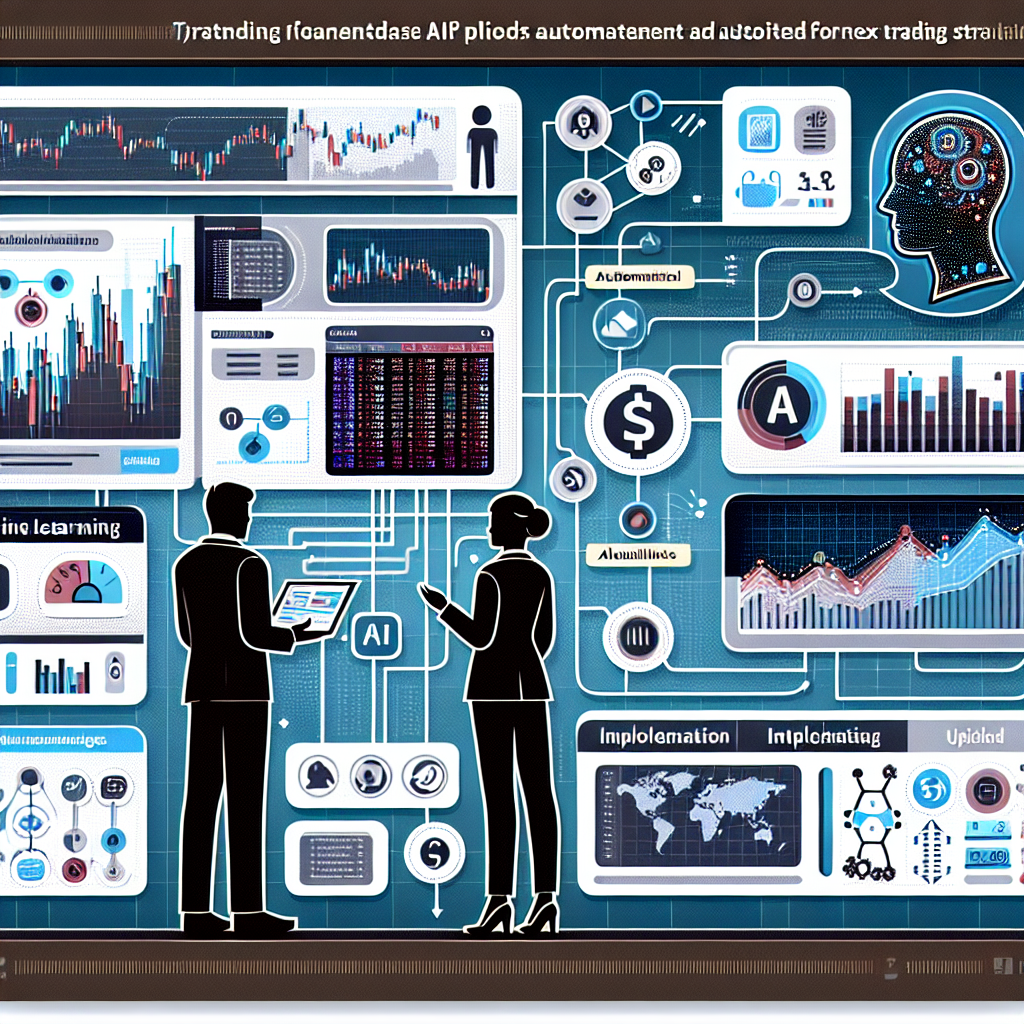
In recent years, the forex trading landscape has undergone a significant transformation, largely due to advancements in technology. Among these advancements, artificial intelligence (AI) has emerged as a game changer, enabling traders to optimize their strategies and make more informed decisions in real-time. Automated forex trading strategies powered by AI can analyze vast amounts of data, recognize patterns, and execute trades faster than a human trader ever could.
This guide aims to introduce you to the Top AI Platforms for Automated Forex Trading Strategies. Whether you are a seasoned trader or new to the forex market, understanding the capabilities of these AI platforms can greatly enhance your trading experience. Furthermore, we will walk you through their features, pricing, and how to effectively implement them in your trading strategy.
Table of Contents
- What is AI in Forex Trading?
- Benefits of Automated Trading
- Top AI Platforms
- How to Choose the Right Platform for You
- Implementing AI in Your Forex Strategy
- The Future of AI in Forex Trading
- Conclusion
Table of Contents
Introduction
The landscape of Forex trading has witnessed a significant transformation with the introduction of Artificial Intelligence (AI) technologies. Automated Forex trading strategies, powered by AI, have opened new avenues for traders looking to enhance efficiency and profitability. This guide serves as a comprehensive deep dive into the top AI platforms available for automated Forex trading strategies, providing practical insights to empower both beginners and seasoned traders.
Understanding Forex Trading
The Foreign Exchange market, or Forex, is the world’s largest financial market, with an average daily trading volume exceeding $6 trillion USD. Unlike traditional stock markets, the Forex market operates 24 hours a day, allowing traders to engage in currency pairs such as EUR/USD or USD/JPY at any time. Understanding the intricacies of Forex trading is essential before diving into AI-based trading solutions.
Key Elements of Forex Trading
- Currency Pairs: Forex trading involves speculating on the price movements between two currencies.
- Leverage: Forex offers high leverage, enabling traders to control larger positions with a smaller amount of capital.
- Market Analysis: Traders use technical and fundamental analysis to make informed decisions.
- Risk Management: A crucial aspect that involves setting stop-loss and take-profit levels to mitigate potential losses.
What is AI in Trading?
Artificial Intelligence refers to the simulation of human intelligence in machines programmed to think and learn like humans. In the context of trading, AI encompasses machine learning algorithms, neural networks, and other advanced analytical tools that process vast amounts of data to identify patterns and predict future price movements.
How AI is Utilized in Trading
- Predictive Analytics: AI analyzes historical data to forecast future prices and trends.
- Automated Trading: Algorithms execute trades based on pre-defined criteria without human intervention.
- Sentiment Analysis: AI evaluates market sentiment by analyzing news articles and social media trends.
- Risk Assessment: AI algorithms can assess the risk of trades by analyzing volatility and market conditions.
Benefits of AI in Forex Trading
Incorporating AI into Forex trading strategies can yield numerous advantages, making it appealing for both newbie and experienced traders. Here are some of the most significant benefits:
- Efficiency: Automated trading executes orders instantaneously, leveraging small price movements that human traders might miss.
- Emotionless Trading: AI removes emotions from trading decisions, which can lead to more rational and systematic execution of strategies.
- 24/5 Operation: AI systems can operate around the clock, analyzing the market and executing trades even in odd hours.
- Data Processing: AI algorithms can analyze vast datasets quickly, which is impossible for human traders.
- Adaptive Learning: Many AI models continuously learn from new data, adapting strategies accordingly to optimize performance.
Key Players in the Market
The market for automated Forex trading platforms is competitive, featuring numerous players. Each platform typically offers a unique value proposition and variety of tools. Here are some of the top AI platforms currently leading the charge:
1. MetaTrader 4/5
MetaTrader is a well-established platform that allows users to implement automated trading through Expert Advisors (EAs). It supports algorithmic trading with robust backtesting capabilities.
2. Trade Ideas
Known for its AI-powered trading alerts, Trade Ideas offers a comprehensive suite for backtesting and real-time trading optimization.
3. AlgoTrader
AlgoTrader focuses on institutional-level trading automation and supports a variety of trading strategies and algorithms.
4. RavenPack
RavenPack provides data analytics and AI tools specifically tailored for sentiment analysis, enabling traders to make data-driven decisions.
5. QuantConnect
QuantConnect allows developers to create, test, and deploy algorithmic trading strategies using its cloud-based platform.
How to Choose an AI Platform
Selecting the right AI platform for automated Forex trading can seem daunting given the multitude of options available. Here’s a practical checklist to guide you through the decision-making process:
- Define Your Goals: Understand whether you need a simple automated tool or a complex algorithmic system based on your trading strategy.
- Compatibility: Ensure that the platform integrates seamlessly with your broker and other tools you may be using.
- User Interface: A clean, intuitive interface can greatly enhance your trading experience.
- Backtesting Features: Look for platforms that allow comprehensive backtesting to evaluate the effectiveness of your strategies.
- Community Support: A vibrant user community can be invaluable for sharing strategies and troubleshooting.
- Costs: Be aware of any fees associated, whether as a subscription, commission, or spreads on trades.
Conclusion
As we venture deeper into the realm of automated Forex trading strategies powered by AI, understanding the available platforms is critical for maximizing your trading success. This guide has outlined the foundation of Forex trading, the role of AI, the market’s top players, and the criteria for selecting an appropriate AI platform. Be sure to stay tuned for Part 2 of this guide, where we will explore in-depth reviews of individual AI platforms and provide practical examples of strategies that can be implemented. The future of trading is evolving, and AI is at the forefront of this revolution.
This HTML document is structured to provide a comprehensive guide to the top AI platforms for automated Forex trading strategies, complete with a Table of Contents for easy navigation. It’s designed to be informative and practical for traders looking to engage with AI technologies in Forex markets.
Top AI Platforms for Automated Forex Trading Strategies: Practical Strategy Part 2
1. Selecting the Right AI Platform
The first step in your automated forex trading journey involves selecting an AI platform that suits your needs. This choice lays the foundation for your trading success. Here are factors to consider:
- User Interface: Look for a clean, intuitive interface that simplifies navigation.
- Data Analysis Tools: Choose a platform that offers powerful analytical tools, as this will enhance your trading strategy development.
- AI Capabilities: Evaluate the sophistication of the AI algorithms—some platforms provide advanced machine learning capabilities.
- Integration with Brokers: Ensure that the platform integrates seamlessly with brokers that offer competitive spreads and commissions.
- Customer Support: Reliable customer service is crucial. Opt for platforms with readily available support to guide you through any issues.
Researching user reviews and comparing features can further assist in determining the best choice for your needs.
2. Setting Up Your Trading Account
Once you’ve selected the right AI platform, the next step is to create and set up your trading account. Here’s how to do it effectively:
- Documentation Required: Prepare necessary documents such as ID proof and address verification for account verification.
- Fund Your Account: Deposit enough capital to start trading. Select a funding method that minimizes costs and processing time.
- Understand the Fee Structure: Review the fee structure of your chosen platform, including trading fees, withdrawal fees, and any hidden charges.
- Configure Your Preferences: Set up notifications and preferences on your trading platform to stay updated on market movements and trading status.
- Ensure Security: Activate two-factor authentication and use unique, complex passwords to secure your account.
Focusing on these aspects during setup can help prevent future headaches and financial loss.
3. Developing Your Trading Strategy
With your account set up, you’re ready to begin crafting your trading strategy. Here’s how to effectively approach this critical aspect:
- Define Your Goals: Be clear about what you want to achieve, whether it’s consistent profits, risk minimization, or long-term capital appreciation.
- Choose a Trading Style: Decide on your style—intraday, swing, or position trading—based on your risk tolerance and time commitment.
- Identify Trading Pairs: Focus on major currency pairs, as they tend to have more liquidity and lower spreads.
- Determine Entry and Exit Points: Utilize technical indicators, patterns, and AI analytics for strong entry and exit strategies.
- Risk Management: Develop a comprehensive risk management plan that includes position sizing, setting stop-loss orders, and adhering to a risk/reward ration.
- Keep It Simple: Your strategy doesn’t need to be overly complex. Simplicity often leads to more effective trading.
A well-defined strategy is essential for maximizing your potential profits while minimizing risk.
4. Backtesting Your Strategy
Before executing your strategy in the live market, it’s crucial to backtest it using historical data. Follow these steps to conduct effective backtesting:
- Use Historical Data: Collect reliable and extensive historical forex data for all trading pairs you plan to trade.
- Choose the Right Time Frame: Test your strategy across different time frames to assess its robustness.
- Run Simulations: Use your platform’s backtesting tools to simulate trades using historical market data, ensuring that you mirror real-world scenarios.
- Analyze Results: Focus on key performance metrics such as win rate, maximum drawdown, profit factor, and recovery factor to evaluate your strategy’s viability.
- Make Adjustments: Modify your strategy based on backtest results. Don’t shy away from refining it further when necessary.
The aim of backtesting is to increase your confidence before trading with real money.
5. Monitoring and Adjusting Your Strategy
Once your strategy goes live, constant monitoring becomes vital for success. Here’s how to stay on track:
- Set Performance Benchmarks: Establish key performance indicators (KPIs) to evaluate how well your strategy performs over time.
- Regular Review Sessions: Conduct regular reviews (e.g., weekly or monthly) to analyze your trading performance and make required adjustments.
- Stay Updated: Keep abreast of global economic events, news releases, and market shifts that could impact currency trading.
- Utilize AI Insights: Leverage insights and suggestions that your trading platform provides to enhance your strategy.
- Be Adaptive: Be willing to change your strategy based on market conditions. An effective trader thrives in both favorable and challenging situations.
Adapting your strategy over time will align it with changing market conditions and improve your trading results.
6. Conclusion
Successfully harnessing AI platforms for automated forex trading requires a strategic approach encompassing careful selection, thorough setup, diligent strategy development, rigorous backtesting, and continuous monitoring. By following these steps, you position yourself for success and increase your ability to achieve your trading goals.
Continuous education and experience are key to mastering forex trading. As technology evolves, so too should your knowledge and strategies. Consider joining trading communities, forums, or webinars to broaden your horizons.
With a disciplined approach and the right tools, you can unlock your potential in the world of automated forex trading.
This structured guide offers a comprehensive overview of practical strategies for using AI platforms in forex trading, from selecting the right platform to monitoring strategies effectively. Each section is actionable and focused on practical advice to enhance the reader’s educational experience and trading outcomes.
Final Thoughts on Top AI Platforms for Automated Forex Trading Strategies
As we navigate through the ever-evolving landscape of Forex trading, leveraging technology has become indispensable for traders aiming to maximize their profits and minimize risks. The emergence of AI platforms has revolutionized how traders approach the market, providing sophisticated tools that enhance decision-making, automate trades, and analyze data beyond human capability. Here are some final thoughts to keep in mind when considering these AI platforms for your Forex trading strategies.
The Importance of Selecting the Right Platform
Not all AI platforms are created equal. When choosing a platform, it’s essential to consider several key factors:
- Performance Metrics: Analyze historical performance data, including win rates, drawdown levels, and return on investment (ROI).
- User Experience: Look for platforms that offer intuitive interfaces and user-friendly designs, making it easier to set up, monitor, and adjust trading strategies.
- Customization Options: Choose a platform that allows you to customize strategies based on your unique trading goals and risk tolerance.
- Backtesting Capabilities: Ensure the platform provides powerful backtesting tools that let you evaluate strategies against historical data.
- Community and Support: A strong community and customer support can enhance your trading experience and provide valuable insights.
Understanding the Technology Behind AI Trading
It’s crucial to understand the technology that underpins AI trading platforms. Most of these platforms leverage machine learning algorithms, neural networks, and big data analytics to identify patterns and make predictions. Familiarizing yourself with these concepts can help you make more informed decisions about which strategies and platforms to pursue.
Staying Updated
The Forex market is subject to rapid changes influenced by global economic events, geopolitical factors, and market sentiment. Regularly updating your knowledge and adapting your strategies is paramount. Utilize your AI trading platform’s analytical tools to monitor current trends and adjust your trading approach accordingly.
Risk Management is Key
While AI platforms can automate trading and identify opportunities, they cannot eliminate risks. Implement robust risk management strategies, including:
- Setting Stop-Loss and Take-Profit Orders: Automate your risk management with predefined exit strategies.
- Diversifying Your Portfolio: Avoid putting all your capital into one trading strategy or currency pair.
- Position Sizing: Use proper position sizing techniques to manage your exposure.
Continuous Learning and Adaptation
AI trading is not a “set it and forget it” solution. Continuous learning, training, and adaptation are crucial to maintaining a competitive edge. Engage with forums, webinars, and educational resources to enhance your understanding of market dynamics and improve your trading strategies.
Final Analysis
The integration of AI in Forex trading holds immense potential, offering numerous advantages ranging from data analysis to execution speed. However, traders must be discerning in their choice of platforms and strategies. Understanding the technology, staying updated, managing risks effectively, and committing to continuous learning are essential components for success in the AI-driven landscape of Forex trading.
As you explore these advanced technologies, remember that while the assistance of AI can yield substantial rewards, the essence of successful trading will always hinge on keen insight, strategic thinking, and risk management. By harnessing the power of AI within a well-rounded trading strategy, you can significantly enhance your chances of achieving your Forex trading goals.
🖋️ About the Analyst: SUNG MIN
SUNG MIN is a senior financial strategist specializing in AI-driven wealth automation and fintech trends at tbjfinance.com. With a focus on practical AI applications for personal finance, he provides data-backed insights to help investors navigate the evolving digital economy.
[주의 사항] 본 블로그의 콘텐츠는 정보 제공을 목적으로 하며, 특정 금융 상품에 대한 권유나 법적 자문이 아닙니다. 모든 투자의 책임은 본인에게 있습니다.