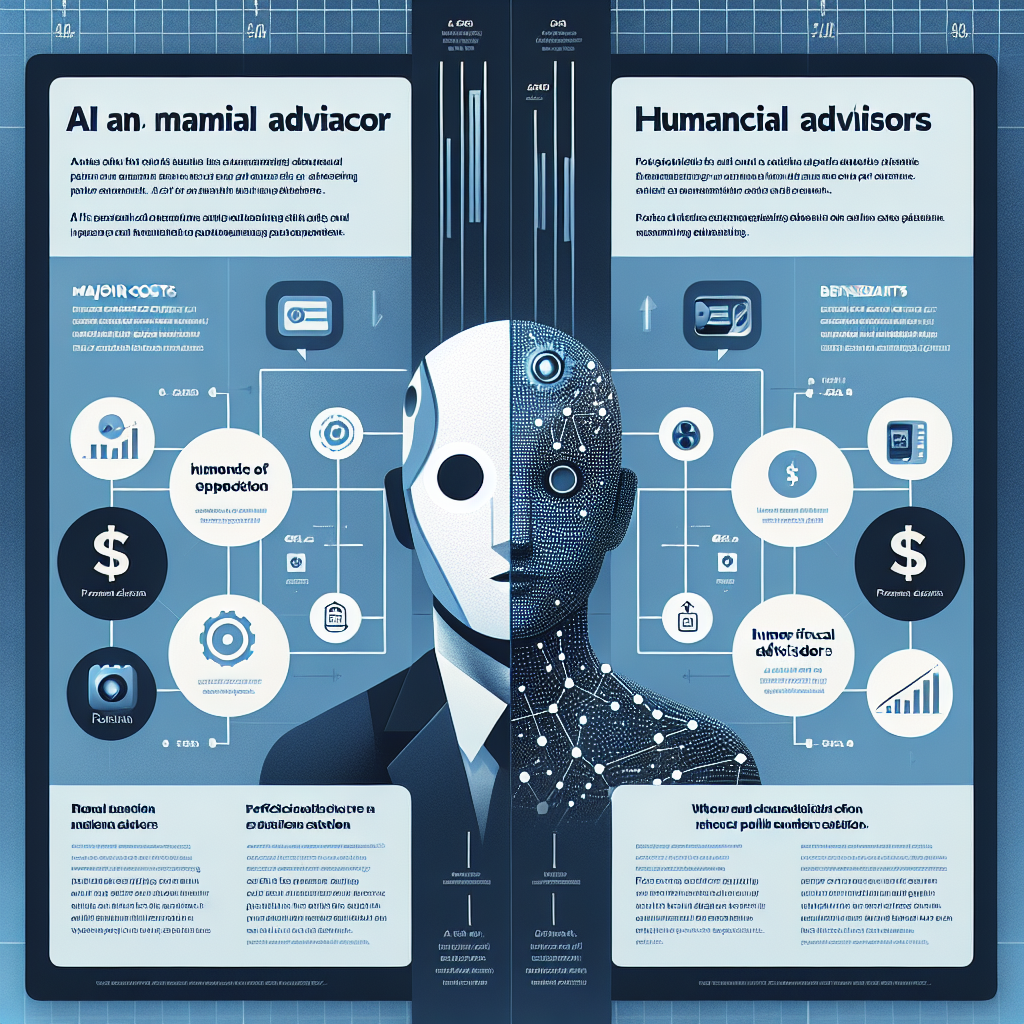
Introduction
As advancements in technology redefine industries, the financial advising landscape is undergoing a significant transformation. With the rise of artificial intelligence (AI), investors and consumers are faced with crucial questions regarding the cost, efficacy, and benefits of AI-driven financial advisory services versus traditional human financial advisors. In this guide, we’ll explore both sides of the equation to provide you with a comprehensive analysis of their costs and benefits. By understanding these key aspects, you will be better equipped to make an informed decision that aligns with your financial goals.
Table of Contents
- Understanding AI in Financial Advisory
- Overview of Human Financial Advisors
- Cost Comparison: AI vs Human Advisors
- Benefits of AI Financial Advisors
- Benefits of Human Financial Advisors
- Which Is Better for You?
- Conclusion
AI vs. Human Financial Advisors: Costs and Benefits Compared – Part 1
Understanding the financial advisory landscape is essential for investors today. As technology continues to evolve, the choice between AI financial advising and traditional human financial advisors becomes increasingly complex. This guide, divided into parts, will provide a comprehensive comparison, unpacking the costs and benefits of both options.
Table of Contents
- Introduction to Financial Advisory Models
- AI Financial Advisors: A Closer Look
- Human Financial Advisors: Insights and Advantages
- Comparative Cost Analysis
- Conclusion and Next Steps
Introduction to Financial Advisory Models
In today’s rapidly changing financial world, the decision to choose between AI and human financial advisors boils down to individual preferences, investment philosophies, and specific financial needs. Let’s begin by understanding these two distinct models.
What Are AI Financial Advisors?
AI financial advisors, also known as robo-advisors, are automated platforms that provide financial planning services with minimal human intervention. They leverage algorithms, machine learning, and data analytics to manage client portfolios based on their risk tolerance, time horizon, and investment goals.
What Are Human Financial Advisors?
Human financial advisors are licensed professionals who offer personalized advice, typically based on conversations and understanding their clients’ individual financial situations. They often employ a holistic approach, considering different life aspects such as tax implications, estate planning, and retirement strategies.
AI Financial Advisors: A Closer Look
AI financial advisors gained popularity due to the convenience and cost-effectiveness they offer. Let’s break down their key characteristics, costs, and benefits.
1. Cost-Effectiveness
- Reduced Fees: AI advisors typically charge lower management fees compared to human advisors. Most charge an annual fee ranging from 0.25% to 0.5% of assets under management, while human advisors often start around 1%.
- No Commission-Based Model: Unlike many traditional advisors who may receive commissions on product sales, AI advisors operate on a fee-only basis, reducing conflicts of interest.
2. Accessibility and Convenience
- 24/7 Availability: AI advisors are available around the clock, allowing users to access their accounts and make transactions at any time without waiting for business hours.
- User-Friendly Interfaces: Most robo-advisors offer intuitive platforms with easy onboarding, making them accessible even to novice investors.
3. Data-Driven Investment Strategies
- Algorithms and Machine Learning: These platforms analyze vast amounts of data to forecast market trends and recommend investment strategies effectively.
- Risk Assessment: AI advisors utilize client-provided data to assess financial behavior, optimizing portfolio allocations based on risk tolerance.
4. Customization
- Automated Portfolio Rebalancing: Many AI advisors automatically adjust portfolios in response to market changes, ensuring investments remain aligned with user goals.
- Tax-Loss Harvesting: Advanced algorithms can help investors minimize tax liabilities by systematically selling losing investments to offset gains.
Human Financial Advisors: Insights and Advantages
While AI financial advisors offer a variety of advantages, the human touch remains indispensable for many investors. Here’s a closer examination of the strengths of human financial advisors.
1. Personalized Financial Planning
- Understanding Unique Circumstances: Human advisors can deeply grasp personal circumstances, needs, and emotional aspects of investing, leading to tailored strategies.
- Life Cycle Events: Advisors can guide clients through significant life changes such as marriage, divorce, childbirth, or job loss, factors that robo-advisors may overlook.
2. Holistic Approach to Financial Wellness
- Comprehensive Services: Human advisors can cover a broad range of financial topics, including estate planning, insurance advising, and retirement income strategies.
- Networking: Established human advisors often have extensive networks of tax professionals, estate planners, and legal experts to assist clients through complex matters.
3. Emotional Intelligence
- Handling market volatility: Human advisors can provide reassurance and guidance during turbulent markets, helping clients avoid panic-selling and stick to their long-term plans.
- Building Trust: The personal relationship between clients and advisors fosters trust, which can lead to better engagement with financial strategies.
4. Accountability and Trust
- Regulatory Framework: Human advisors are regulated and must adhere to fiduciary standards, prioritizing clients’ best interests above all.
- Long-Term Relationships: Many investors seek the ongoing relationship a human advisor offers, which can be crucial during critical financial decisions over time.
Comparative Cost Analysis
When comparing AI and human financial advisors, it’s crucial to examine their costs beyond just management fees. Here are several factors to consider:
1. Direct Costs
- AI Financial Advisors: Often charge lower fees, typically between 0.25% – 0.5% of AUM, making them appealing for cost-conscious investors.
- Human Financial Advisors: Usually charge around 1% of AUM, although additional fees may apply for in-depth financial planning, hourly consultations, or other specialized services.
2. Opportunity Costs
- Investors must evaluate whether the lower fees associated with AI offset potential losses from less personalized advice, especially during market volatility.
- Human advisors may offer added value through personalized strategies that align better with long-term goals, potentially outweighing higher fees.
3. Hidden Costs
- AI Advisors: Although typically transparent, it’s crucial to review fee structures for hidden charges like fund expenses.
- Human Advisors: Watch for commissions on products sold or additional planning fees which can inflate overall costs.
4. Value Assessment
- Consider the value gained from higher returns through personalized investment strategies by a human advisor versus the cost-saving aspect of a robo-advisor.
- Ultimately, weigh the benefits aligned with your personal investment philosophy, goals, and risk appetite.
Conclusion and Next Steps
The landscape of financial advising is evolving, and the choice between AI and human financial advisors depends on your specific needs. AI advisors excel in cost-efficiency and streamlined operations, while human advisors offer a personal touch, tailored strategies, and broader financial literacy.
As we continue this guide in Part 2, we’ll focus on specific case studies to illustrate real-world applications of both models, helping to inform your decision-making. Stay tuned for insights on investor sentiment, performance comparisons, and potential industry shifts over the next decade.
How to Evaluate and Compare AI vs. Human Financial Advisors: Costs and Benefits Compared – Part 2
Table of Contents
Costs of Human Financial Advisors
Benefits of Human Financial Advisors
Costs of AI Financial Advisors
Benefits of AI Financial Advisors
Choosing the Right Advisor for You
Conclusion
Costs of Human Financial Advisors
When considering a human financial advisor, understanding the associated costs is crucial. Here are key financial considerations:
- Fee Structures: Human advisors often charge fees based on assets under management (AUM), hourly rates, or fixed fees. Typical AUM fees range from 0.5% to 2% annually.
- Commissions: Some advisors may earn commissions on products they sell, potentially creating a conflict of interest. It’s essential to be aware of how this might impact your financial planning.
- Minimum Investment Requirements: Many human advisors require a minimum investment amount, which can be a barrier for new investors.
- Cost of Services: The total cost might also include additional fees for services such as financial planning, estate planning, and tax advisory.
Evaluating the Costs
When evaluating the costs of human financial advisors, consider how these charges impact your investment returns over time. A lower fee can make a significant difference in your wealth accumulation, especially over a long horizon.
Benefits of Human Financial Advisors
While costs are a crucial consideration, the benefits offered by human financial advisors can greatly outweigh their fees. Here are some major advantages:
- Personalized Investment Strategies: Human advisors can tailor strategies based on your unique financial situation, goals, and risk tolerance.
- Emotional Support: Financial markets can be volatile, and human advisors provide emotional guidance during downturns or crises, ensuring you don’t make rash decisions.
- Expertise and Experience: Human advisors bring years of training and experience, which can be particularly beneficial if you have complex financial needs.
- Holistic Financial Planning: They can integrate various aspects of your financial life, including budgeting, retirement planning, and estate planning, into a comprehensive strategy.
- Relationship Building: Building a personal relationship can yield dividends in trust and understanding, facilitating better investment decisions over time.
Identifying the Right Advisor
To maximize the benefits of a human financial advisor, research potential candidates thoroughly. Schedule initial consultations to assess their understanding of your needs.
Costs of AI Financial Advisors
AI-driven financial advisors often promise to be cost-effective, but understanding their pricing structure is important. Here are typical costs associated with AI advisors:
- Low Fee Structures: Robo-advisors typically charge fees between 0.25% to 0.75% of assets under management.
- Limited Account Minimums: Many AI advisors have low or no minimum investment amounts, making them accessible to a broader audience.
- Subscription Fees: Some platforms offer a monthly subscription model instead of AUM fees, which can be beneficial for investors with smaller portfolios.
- Emerging Costs: While currently lower, AI advisors could introduce additional costs over time, such as for premium features or personal consultations with human experts.
Comprehensive Analysis of Costs
Although AI advisors have a lower fee structure, consider potential hidden costs or limitations. Always evaluate what services are included in the fees and how they align with your specific financial needs.
Benefits of AI Financial Advisors
AI advisors are increasingly popular due to their numerous advantages. Here are some benefits to consider:
- Cost Efficiency: With lower fees, AI advisors allow you to retain a more significant portion of your investment returns.
- Access to Advanced Algorithms: AI advisors utilize sophisticated algorithms that can analyze market trends and make real-time adjustments to your portfolio.
- 24/7 Availability: You can usually access AI-powered platforms anytime, enabling you to view and manage your investments at your convenience.
- Automated Rebalancing: Many AI advisors automatically rebalance portfolios to maintain your desired asset allocation based on market fluctuations.
- Low Minimum Investment Requirements: This accessibility is ideal for new investors or those who want to test the waters before making larger investments.
Evaluating AI Benefits
When evaluating the benefits of an AI advisor, assess how their technology can enhance your investment strategy and align with your financial goals.
Choosing the Right Advisor for You
The decision of whether to choose a human or an AI financial advisor ultimately depends on your individual circumstances. Here are key questions to help you make the right choice:
- What are Your Financial Goals?
Identify your short- and long-term financial objectives. AI advisors might work well for straightforward investment goals, while a human advisor may be better for complex financial planning.
- How Much Personal Interaction Do You Prefer?
Determine how important it is for you to have face-to-face interactions. If you value personal relationships, a human advisor may be a better fit.
- What is Your Investment Knowledge Level?
Consider your comfort level with financial products. If you’re not confident making investment choices, a human advisor’s guidance might be invaluable.
- What is Your Budget?
Factor in how much you’re willing to spend on financial advice. If budget constraints are a priority, AI advisors may be a more attractive option.
Collecting Feedback and Adjusting as Needed
Regardless of your choice, regularly review your advisor’s performance and suitability. Financial needs evolve over time, and your advisor should evolve with them.
Conclusion
The choice between AI and human financial advisors hinges on various factors, including costs, benefits, personal preferences, and financial goals. A thorough evaluation of both options can help you make a decision that aligns with your financial situation and aspirations. Remember that the best advisor for you is one that not only meets your needs but also empowers you to achieve your financial goals efficiently.
This HTML document provides a structured, informative guide on comparing AI and Human Financial Advisors, complete with a clickable Table of Contents. Practical advice and considerations are interspersed throughout the content to facilitate a clear understanding of the costs, benefits, and decision-making processes involved in selecting a financial advisor.### Final Thoughts on AI vs. Human Financial Advisors: Costs and Benefits Compared
In the ever-evolving landscape of financial advisory services, the debate between AI-driven solutions and traditional human financial advisors is increasingly relevant. Both options come with their respective advantages and challenges, making the decision highly personalized and contingent on individual needs, goals, and preferences.
#### Understanding the Landscape
AI financial advisors, often referred to as robo-advisors, leverage algorithms, machine learning, and vast datasets to provide investment recommendations and financial planning services at significantly lower costs. Their efficiency is a boon for those who may not require personalized services or who are just starting to build their financial portfolios.
On the other hand, traditional human financial advisors offer a level of emotional intelligence, nuanced understanding, and personalized strategy that AI currently lacks. They provide tailored advice, are adept at navigating complex financial situations, and build lasting client relationships based on trust and understanding.
#### Cost Considerations
When assessing costs, it’s essential to consider both monetary and opportunity costs. Robo-advisors typically charge lower management fees, often between 0.25% and 0.5% of assets managed. This can yield substantial savings for clients with large portfolios. However, while their fees are low, they may not offer comprehensive financial advisory services, such as estate planning, tax strategies, or retirement planning.
Conversely, human financial advisors tend to charge higher fees—ranging from 1% to 2% of assets managed—but they often provide a more holistic approach to financial management. The higher cost might be justified if it results in higher returns, better tax strategies, or significant peace of mind.
#### Emotional Intelligence and Adaptability
One of the crucial differentiators between AI and human advisors is emotional intelligence. Financial decisions are often influenced by psychological factors, and humans excel at understanding emotions and behaviors. A financial advisor can provide reassurance during market downturns, offer empathy in financially stressful situations, and adapt strategies based on your unique life circumstances.
AI, while improving in its ability to analyze data patterns and predict trends, still struggles to replicate this level of emotional depth and adaptability. If your financial journey includes complex life changes—such as marriage, divorce, or the death of a loved one—having a human advisor may be more beneficial.
#### Personalization and Complexity
AI is best suited for clients with straightforward financial needs, such as those looking to invest in passive index funds or save for retirement without much nuance. For these individuals, the efficiency of robo-advisors can be invaluable.
However, if you have specific financial goals that require complex strategies—like tax planning, philanthropic endeavors, or business succession planning—a human advisor’s personalized approach can provide tailored strategies that AI cannot deliver right now.
#### Integration of AI and Human Advisors
An emerging trend in financial advisory services is the integration of AI tools within human advisory firms. This hybrid approach allows clients to benefit from the efficiency and data-driven insights of AI while still having the emotional support and personalization of a human advisor.
By leveraging AI for portfolio management, human advisors can free up their time to focus on strategy, relationship building, and addressing complex financial situations. This combination can provide a balance of cost-effectiveness, personalization, and tailored advice.
#### Making the Right Choice for You
The choice between AI and human financial advisors ultimately boils down to your financial needs, preferences, and comfort with technology. Consider the following factors:
– **Complexity of Financial Needs**: If you have straightforward investment goals, AI may suffice. If you require comprehensive financial planning, consider a human advisor.
– **Cost Sensitivity**: Evaluate your budget for financial advisory services. Robo-advisors are generally more cost-effective for basic services.
– **Comfort with Technology**: If you’re tech-savvy and comfortable making decisions based on data, AI can offer robust solutions.
– **Need for Personal Touch**: If you value personal relationships and emotional support in financial decision-making, a human advisor may be more suitable.
In conclusion, both AI and human financial advisors offer distinct advantages. By assessing your unique needs and preferences, you can make an informed choice that aligns with your financial goals and aspirations. The ideal scenario may involve a combination of both approaches, leveraging the strengths of each to navigate your financial journey successfully. Remember, the best financial advisor is one that understands you as a person and not just as a portfolio.
🖋️ About the Analyst: SUNG MIN
SUNG MIN is a senior financial strategist specializing in AI-driven wealth automation and fintech trends at tbjfinance.com. With a focus on practical AI applications for personal finance, he provides data-backed insights to help investors navigate the evolving digital economy.
[주의 사항] 본 블로그의 콘텐츠는 정보 제공을 목적으로 하며, 특정 금융 상품에 대한 권유나 법적 자문이 아닙니다. 모든 투자의 책임은 본인에게 있습니다.