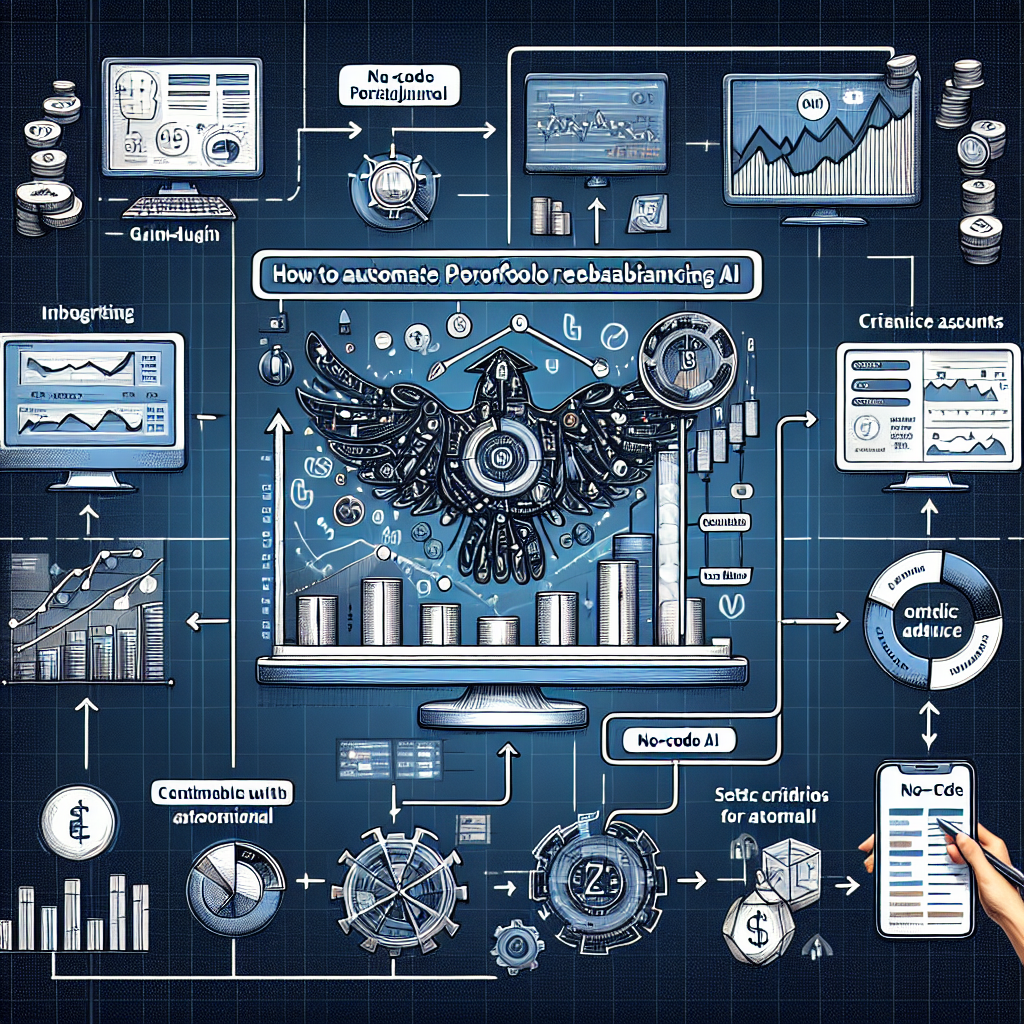
How to Automate Your Portfolio Rebalancing with No-Code AI
In the evolving landscape of finance, portfolio management is becoming increasingly sophisticated thanks to advancements in technology. One area where these innovations shine is in portfolio rebalancing. Automating this process can save you time, reduce emotional decision-making, and optimize overall performance. This guide will walk you through the key steps to harness no-code AI solutions for your portfolio rebalancing needs.
Table of Contents
- Understanding Portfolio Rebalancing
- Importance of Automation
- No-Code AI Tools Overview
- Choosing the Right Tool
- Setting Up Your Automation
- Monitoring and Adjusting Your Strategy
- Common Mistakes to Avoid
- Conclusion
How to Automate Your Portfolio Rebalancing with No-Code AI – Part 1
Table of Contents
What is Portfolio Rebalancing?
Portfolio rebalancing is the process of realigning the proportions of assets in an investment portfolio. It involves periodically buying or selling assets to maintain a desired level of asset allocation or risk. This is essential for investors who want to stabilize their portfolio’s risk level or seize potential investment opportunities.
Importance of Portfolio Rebalancing
Understanding the significance of portfolio rebalancing can enhance your investment strategy. Here are some key reasons why it is crucial:
- Risk Management: Assets can drift from their target allocations due to market fluctuations, impacting your risk profile.
- Performance Optimization: Rebalancing can improve returns by buying low and selling high, ensuring you capture potential gains.
- Investment Discipline: A structured approach to rebalancing helps counter emotional decisions driven by market volatility.
- Goal Alignment: Regular rebalancing ensures your portfolio stays aligned with your long-term financial goals.
Traditional Rebalancing Techniques
There are several traditional techniques used to rebalance a portfolio, such as:
- Time-Based Rebalancing: Rebalance at predetermined intervals (e.g., monthly, quarterly, or annually).
- Threshold Rebalancing: Rebalance when an asset class exceeds a specified allocation threshold (e.g., more than 5% deviation).
- Combination of Both: Employ a hybrid strategy using both time-based and threshold methods.
Limitations of Traditional Methods
While traditional rebalancing methods are widely used, they come with limitations that can impact their effectiveness:
- Time-Consuming: Manual rebalancing can be labor-intensive and check for asset performance requires constant monitoring.
- Emotional Decision-Making: Investors may hold onto losing positions or sell winners prematurely due to psychological biases.
- Operational Costs: Frequent buying and selling can result in higher transaction fees and tax liabilities, reducing overall returns.
- Lack of Personalization: Generic rebalancing strategies may not account for individual investor goals or changing market conditions.
Enter No-Code AI
No-Code AI tools have revolutionized how individuals and financial advisors can manage investments. These platforms allow users to build and implement automated strategies without the need for coding knowledge. But how does this apply to portfolio rebalancing?
Benefits of No-Code AI for Portfolio Rebalancing
No-Code AI tools introduce various benefits for automating portfolio rebalancing:
- Ease of Use: No-code platforms allow users to easily create automated workflows with drag-and-drop functionality, making portfolio management accessible to everyone.
- Dynamic Adjustments: AI tools can analyze large datasets to adapt allocations based on real-time market trends, ensuring more responsive investment strategies.
- Minimized Emotional Bias: Automation reduces the influence of human emotions and irrational biases that affect decision-making in investing.
- Integration Capabilities: Many no-code platforms can connect with existing investment accounts and platforms, aggregating data seamlessly for effective analysis.
- Customized Rebalancing Strategies: Tailor strategies to match individual risk tolerance, investment goals, and market conditions with ease.
Selecting No-Code AI Tools
When choosing the right No-Code AI tool for automating portfolio rebalancing, consider the following criteria:
- User-Friendly Interface: Ensure the platform is intuitive and easy to navigate, catering to users without technical backgrounds.
- Integration Options: Look for tools that can connect with your existing portfolio management systems and trading platforms.
- Customizability: Choose platforms that allow for personalized configurations to suit your investment approach.
- Rebalancing Algorithms: Investigate the sophistication of the rebalancing algorithms in the tool and their adaptability to changing market conditions.
- Cost Structure: Review the pricing models of the platforms, ensuring they align with your budget and expected return on investment.
In conclusion, automating your portfolio rebalancing with no-code AI can enhance efficiency, accuracy, and alignment with your investment goals. As we move into Part 2 of this guide, we will delve deeper into the specific tools available and provide step-by-step instructions on how to implement these strategies. Stay tuned!
This HTML provides a structured and informative guide on automating portfolio rebalancing with no-code AI, capturing key elements like definitions, benefits, and selection criteria. The layout is user-friendly, enhancing readability and engagement for users seeking financial strategies.
How to Automate Your Portfolio Rebalancing with No-Code AI – Part 2
Table of Contents
- Understanding the Importance of Rebalancing
- Choosing the Right No-Code AI Tools
- Setting Your Rebalancing Parameters
- Implementing Your No-Code AI Solution
- Monitoring Performance and Adjustments
- Future Trends in AI and Portfolio Management
Understanding the Importance of Rebalancing
Rebalancing is one of the foundational strategies in maintaining a well-diversified investment portfolio. Here are some reasons why automated rebalancing is crucial for investors:
- Risk Management: Over time, asset allocations can drift from their targets due to market volatility. By rebalancing, you ensure your portfolio stays aligned with your risk tolerance.
- Locking in Profits: Rebalancing forces you to sell high and buy low, capturing profits and balancing investments back to the desired allocation.
- Emotional Discipline: Automating the rebalancing process minimizes emotional decision-making, which is often detrimental to long-term investment success.
- Tax Efficiency: One can plan rebalancing to minimize tax impacts, ensuring you are not incurring unnecessary tax liabilities unnecessarily.
Choosing the Right No-Code AI Tools
Selecting the appropriate no-code AI tool is pivotal for effective portfolio rebalancing. Follow these steps to make an informed choice:
- Feature Set: Look for tools that offer robust portfolio analytics, automated reports, and risk assessment functionalities. Key features may include:
- Investment tracking
- Performance analysis
- Market trend predictions
- User Interface: The tool should be intuitive and easy to navigate. A good UI ensures that you can easily set up and monitor rebalancing without any coding background.
- Integration Capabilities: Assess whether the selected tool integrates well with existing financial software systems, such as brokerage accounts, CRM systems, and financial data providers.
- Cost: Evaluate the pricing model. Ensure that the cost of the tool doesn’t eat into your investment returns. Consider whether a subscription model or one-time fee is more favorable for your investment strategy.
- User Reviews and User Community: Research user reviews to understand common pain points, and explore forums or groups focusing on the tool for shared experiences and best practices.
Setting Your Rebalancing Parameters
Your portfolio’s success relies heavily on the parameters you set for rebalancing. Here’s how to establish what works best for your needs:
- Define Your Asset Allocation: Determine your target allocation to various asset classes based on your risk appetite. A popular approach is the 60/40 rule (60% stocks, 40% bonds), but you should tailor it to suit your individual circumstances.
- Determine Rebalancing Frequency: Decide how often you will rebalance your portfolio—options include:
- Periodic Rebalancing (monthly, quarterly, annually)
- Threshold-Based Rebalancing (rebalancing occurs when an asset class drifts away from its target weight by a specified percentage)
- Set Tolerance Bands: Establish tolerance bands for each asset class. For example, if you set a 5% tolerance band and an asset class grows significantly, it indicates that it’s time to rebalance back to the predetermined level.
- Account for Tax Consequences: Plan your rebalancing strategy while considering the tax implications of selling an asset. If you’re in a taxable account, you may wish to only rebalance in a tax-efficient manner.
- Keep an Eye on Costs: High transaction fees due to frequent trading can eat into returns. Factor in the cost of rebalancing when determining your strategy and frequency.
Implementing Your No-Code AI Solution
With the right tools and parameters identified, it’s time to implement your no-code AI solution for automated rebalancing. Here’s a step-by-step guide:
- Step 1: Sign Up for Your Chosen No-Code AI Tool: Register and choose a plan that meets your needs. Follow initial setup steps, such as verifying your identity and connecting your investment accounts.
- Step 2: Import Your Portfolio: Input your current portfolio holdings into the tool. Most platforms allow you to sync directly with financial accounts for seamless updates.
- Step 3: Configure Rebalancing Settings: Use the parameters you have defined earlier to configure the rebalancing settings. This is where you will input asset allocation percentages, rebalancing frequency, and tolerance bands.
- Step 4: Review and Customize Reports: Most platforms generate reports on performance, risk exposure, and asset allocation. Customize these reports to fit your tracking and reporting needs.
- Step 5: Test the System: Before proceeding with live rebalancing, test your setup using a demo account or with historical data to see how the AI tool behaves under different market conditions.
- Step 6: Launch Your System: Once satisfied with the performance on test data, initiate your automated rebalancing. Monitor its initial operations closely to ensure that everything operates smoothly.
Monitoring Performance and Adjustments
Automation doesn’t mean that your work is done. Continuous monitoring and adjustments are vital to ensuring optimal performance:
- Regularly Review Performance: Conduct monthly performance reviews, looking at your portfolio’s return against benchmarks and against your targets. Adjust your portfolios as needed based on these reviews.
- Analyze Market Conditions: Stay updated on current market trends and economic indicators that could impact your portfolio. This knowledge can inform adjustments to asset allocations or risk tolerances.
- Gather Feedback: If the no-code AI tool has sharing features, take advantage of community feedback on how other users optimize their strategies.
- Adjust Rebalancing Settings if Necessary: As life circumstances change, so should your portfolio. If your risk appetite changes or you experience big life events, revisit your rebalancing parameters and adjust.
- Explore Advanced Features: Depending on the service you choose, explore features like predictive analytics which can enhance rebalancing strategies further.
Future Trends in AI and Portfolio Management
The landscape of portfolio management is continually evolving. Keeping abreast of future trends will help you stay ahead:
- Increased Personalization: AI algorithms are becoming more adept at personalization. Future tools will offer even more tailored portfolios based on individual preferences and behavior patterns.
- Enhanced Predictability: With advancements in machine learning, AI can predict market movements more accurately, enabling better-informed rebalancing decisions.
- Integration with Blockchain: Blockchain technology may provide greater transparency and efficiency in trading and is expected to revolutionize how portfolios are managed.
- AI-Driven Wealth Management: As AI capabilities expand, the future may see fully automated wealth managers offering comprehensive portfolio management without human intervention.
- Focus on Sustainability: Many investors are looking for socially responsible investments. Future AI tools may factor in ESG (Environmental, Social, and Governance) criteria into rebalancing decisions.
Conclusion
By understanding the best practices for automating your portfolio rebalancing with no-code AI, you can streamline your investment management process and optimize for better returns. From choosing the right tools to continuously monitoring your strategy, there’s a whole ecosystem to explore. Stay informed and adaptable as technology continues to change the face of investing, and remember that even automated systems require regular attention and strategic input from you.
Final Thoughts on Automating Your Portfolio Rebalancing with No-Code AI
As the investment landscape continues to evolve, leveraging technology to streamline financial management is non-negotiable. Automating your portfolio rebalancing process with no-code AI tools not only enhances efficiency but can also lead to more informed investment decisions. Here are some essential considerations to keep in mind as you embark on this transformative journey:
1. Embrace the Power of Automation
Automating your portfolio rebalancing eliminates the emotional pitfalls associated with manual trading and decision-making. With no-code AI tools, you can set predefined parameters that guide your investment decisions, ensuring a disciplined approach to managing your portfolio. This consistency can be crucial in achieving long-term financial goals.
2. Choose the Right Tools
Selecting the appropriate no-code AI platform is imperative. Consider factors such as:
- User-Friendliness: Look for a tool that offers an intuitive interface, making it easy to set up and manage your portfolio without requiring coding skills.
- Customization Options: Ensure that the platform allows for customization based on your investment strategy, risk tolerance, and financial goals.
- Integration Capabilities: The ability to integrate with existing investment accounts and data sources can significantly enhance workflow efficiency.
- Support and Resources: Evaluate the availability of customer support, tutorials, and community resources to help you navigate challenges effectively.
3. Stay Informed on Market Trends
While automation simplifies the rebalancing process, staying informed about market trends and economic indicators is vital. Utilize AI-driven insights to make educated decisions about your asset allocations. Regularly review news, reports, and market analyses to adapt your strategy as needed.
4. Monitor Performance Regularly
Even with automation, regular monitoring of your portfolio’s performance is essential. Analyze the outcomes of your rebalancing strategies to determine what works and what doesn’t. This will help you refine your approach and enhance your investment outcomes over time. Utilize performance metrics and dashboard visualizations provided by your AI tool to gain insights into your portfolio’s progress.
5. Adjust and Optimize Your Strategies
As economic conditions, market trends, and personal financial goals evolve, your investment strategy should also be flexible. Automated systems can make quick adjustments based on your pre-set rules, but you should remain vigilant and review your parameters periodically. Consider conducting a review at least quarterly to optimize your strategies and ensure alignment with your changing needs.
6. Don’t Neglect Human Oversight
Despite the powerful capabilities of no-code AI tools, remember that human oversight is irreplaceable. Use automation as a tool to assist you but remain engaged with the investment process. Consider having a strategy session with a financial advisor periodically to receive expert insights and personalized advice.
7. Educate Yourself Continuously
The world of AI and investment is ever-changing. Dedicate time to ongoing education about new trends, tools, and strategies related to portfolio management. Participate in webinars, online courses, and investment communities to stay on the cutting edge of information that can affect your portfolio.
8. Have a Long-Term Perspective
No investment strategy, including automated portfolio rebalancing, comes without its risks and market fluctuations. Maintain a long-term perspective, focusing on stable growth and not just immediate gains. Automated tools can help mitigate emotional responses to short-term volatility, enabling you to remain committed to your financial objectives.
In summary, automating your portfolio rebalancing with no-code AI offers an invaluable advantage in today’s fast-paced investment environment. By selecting the appropriate tools, staying informed, and maintaining human oversight, you can streamline your investment management process and enhance your portfolio’s performance over time. Remember to stay adaptable and continuously refine your strategies as the market evolves. With these practices in place, you can confidently navigate your financial journey with the assistance of state-of-the-art technology.
🖋️ About the Analyst: SUNG MIN
SUNG MIN is a senior financial strategist specializing in AI-driven wealth automation and fintech trends at tbjfinance.com. With a focus on practical AI applications for personal finance, he provides data-backed insights to help investors navigate the evolving digital economy.
[주의 사항] 본 블로그의 콘텐츠는 정보 제공을 목적으로 하며, 특정 금융 상품에 대한 권유나 법적 자문이 아닙니다. 모든 투자의 책임은 본인에게 있습니다.